

[Magazine Kave=Kim Jeong-hee Reporter] A black plastic bag flutters in the wind in a dark forest, where a mysterious corpse is discovered. The tvN drama 'Secret Forest' begins in a cold and quiet atmosphere. This forest serves not just as a crime scene but as a metaphorical space where truth is buried and power becomes corrupt.
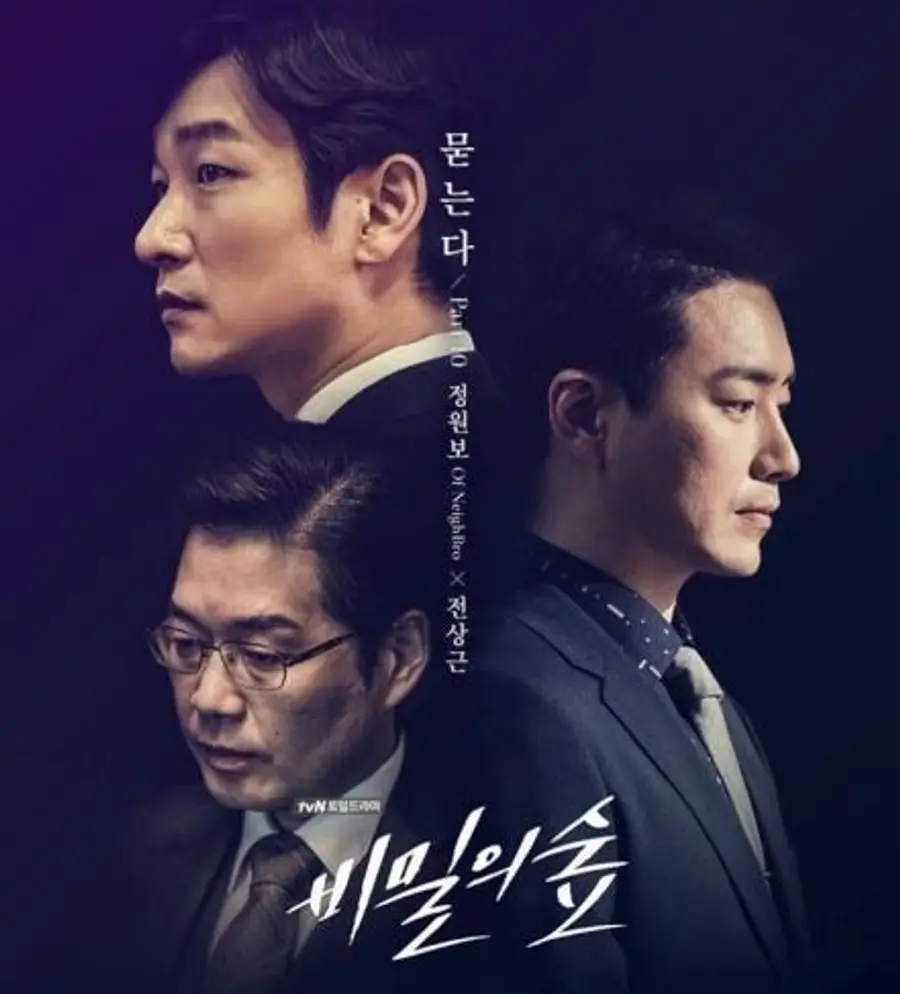
The central character, Hwang Si-mok (played by Jo Seung-woo), breaks away from the typical portrayal of a 'passionate prosecutor' seen in existing media. Having lost the ability to feel emotions due to brain surgery in his childhood, he faces the world with a blank expression and a dry tone. Even in social gatherings with colleagues, he shows no laughter or anger; paradoxically, he demonstrates the most rational and 'normal' judgment within a prosecutor's organization entangled in interests and corruption. The lack of emotion becomes his strongest weapon in the pursuit of truth.
The case begins with the death of a powerful businessman who had ties to the prosecution. Upon arriving at the scene, Si-mok reconstructs the case using only logic and evidence, excluding emotions. However, what initially appeared to be a simple murder motivated by revenge reveals itself to be the prologue to a massive cartel that extends into the prosecution, business circles, and politics.
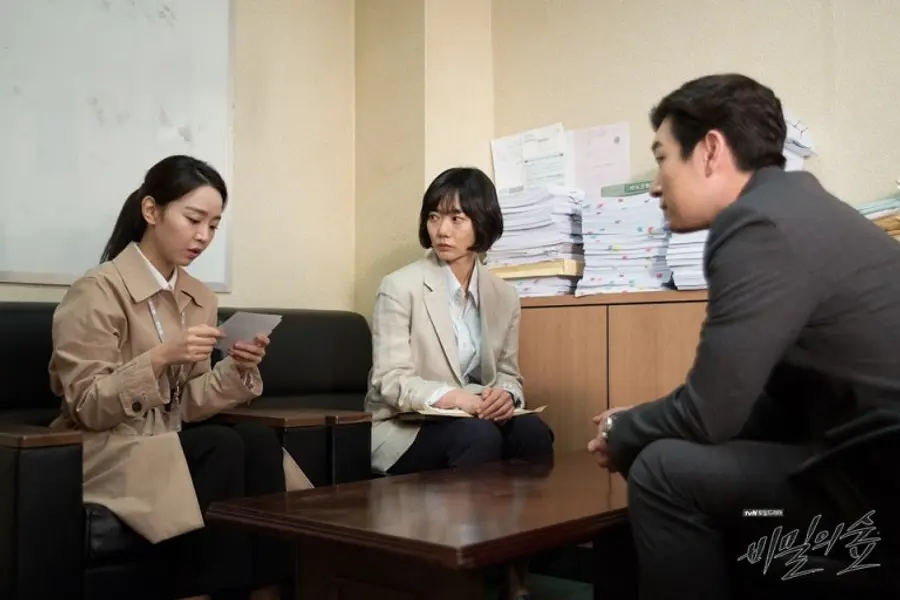
The character who injects warmth into this cold pursuit is detective Han Ye-jin (played by Bae Doo-na). Unlike Si-mok, who is honest about his emotions and empathizes with the victims, Ye-jin seems to stand in stark contrast to him, burning with a sense of justice. However, as they delve into the case, the two fill each other's deficiencies and build a heavy trust. Their collaboration in chasing 'surreal corruption' rather than supernatural phenomena becomes the core driving force of the drama.
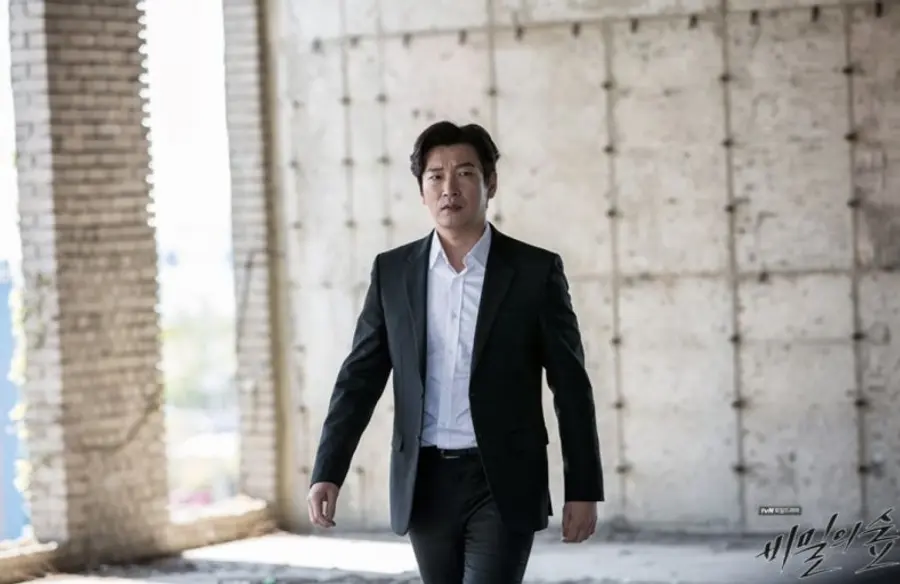
The drama vividly depicts the factional struggles within the prosecution and the power struggles over personnel rights, triggered by the murder case. Every action of Hwang Si-mok is interpreted politically within the organization, and prosecutors constantly calculate their gains and losses. 'Secret Forest' shows how easily the straight path toward truth can be distorted by the power dynamics of reality through Si-mok. The reality of being forced to walk a tightrope between 'inept justice' and 'competent accomplices' poses a heavy question to the viewers.
A World Where Everyone is a Suspect, Poking at Structural Contradictions
As the story unfolds, it becomes clear that the first murder case is merely a piece of a larger puzzle. Writer Lee Soo-yeon intricately weaves together the hidden corruption of the prosecution, favoritism, and lobbying, revealing structural issues. This is not just the deviation of a few villains but a denunciation of the chain of corruption produced by the system itself.
The line between good and evil is ambiguous. From the power-wielding chief prosecutor to the livelihood-driven corrupt prosecutor and the junior prosecutor who crosses the line for success, the multi-dimensional characters constantly make viewers question who the real villain is. The paradoxical situation of encountering more lies as one gets closer to the truth heightens the tension of the drama to its peak.
The Aesthetics of Restraint, The Suspense Conveyed by Silence
The reason 'Secret Forest' is regarded as an evolution of Korean genre dramas lies in its 'restraint'. It thoroughly excludes exaggerated emotional expressions and melodramatic elements, filling the drama with dry dialogue and cold colors. In particular, the minimal use of background music and the emphasis on ambient sounds and silence in sound design maximizes viewer immersion. The subtle sounds of characters' breathing and exchanges of glances create a suffocating tension.
The relationship between Hwang Si-mok and Han Ye-jin also does not follow the typical romance formula. The two show a deep bond as colleagues walking together toward the truth, rather than as lovers. Their partnership, which fills each other's gaps without being swayed by emotions, presents a new aesthetic of relationships not seen in existing dramas.
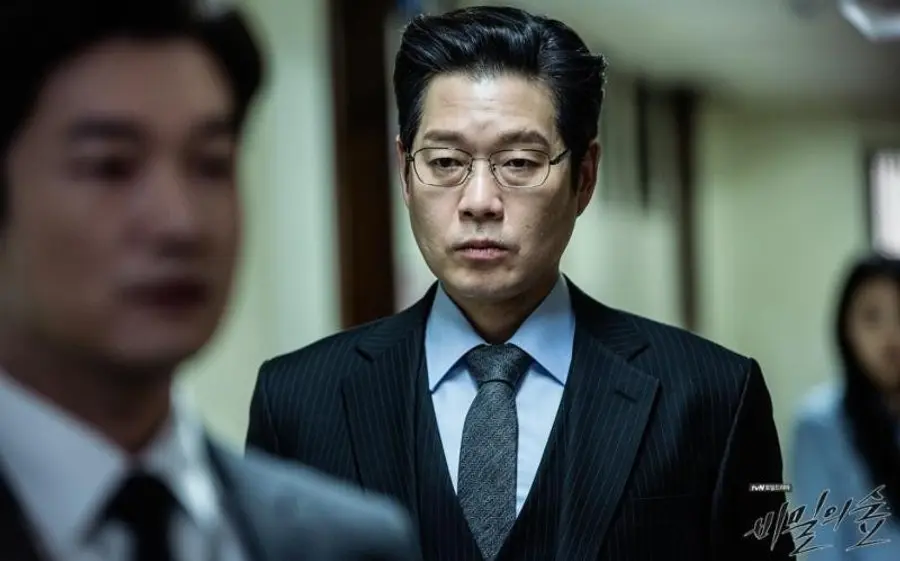
'Secret Forest' contains sharp insights into the power structures and systems of Korean society, transcending the simple crime investigation genre. Instead of demonizing specific groups, the drama questions the checks and balances between power institutions and the ethical attitudes individuals should have within the system. This work, with its meticulous screenplay, outstanding performances by the actors, and restrained direction, offers a profound resonance that remains unchanged over time.