
[Magazine Kave=Choi Jae-hyuk Reporter] In a cheap tavern filled with the smell of blood and alcohol, the ordinary Lee Jaha realizes that he will one day stain the world with blood as the 'Mad Demon'. At the moment when the memories of the past and the premonitions of the future collide, his time twists. The Naver web novel by author Yoo Jin-sung, 'Return of the Mad Demon', is born at this point. When the madman who turned the world upside down returns to before he went mad, what can he do? Will he struggle not to go mad again, or will he make the world go mad this time?
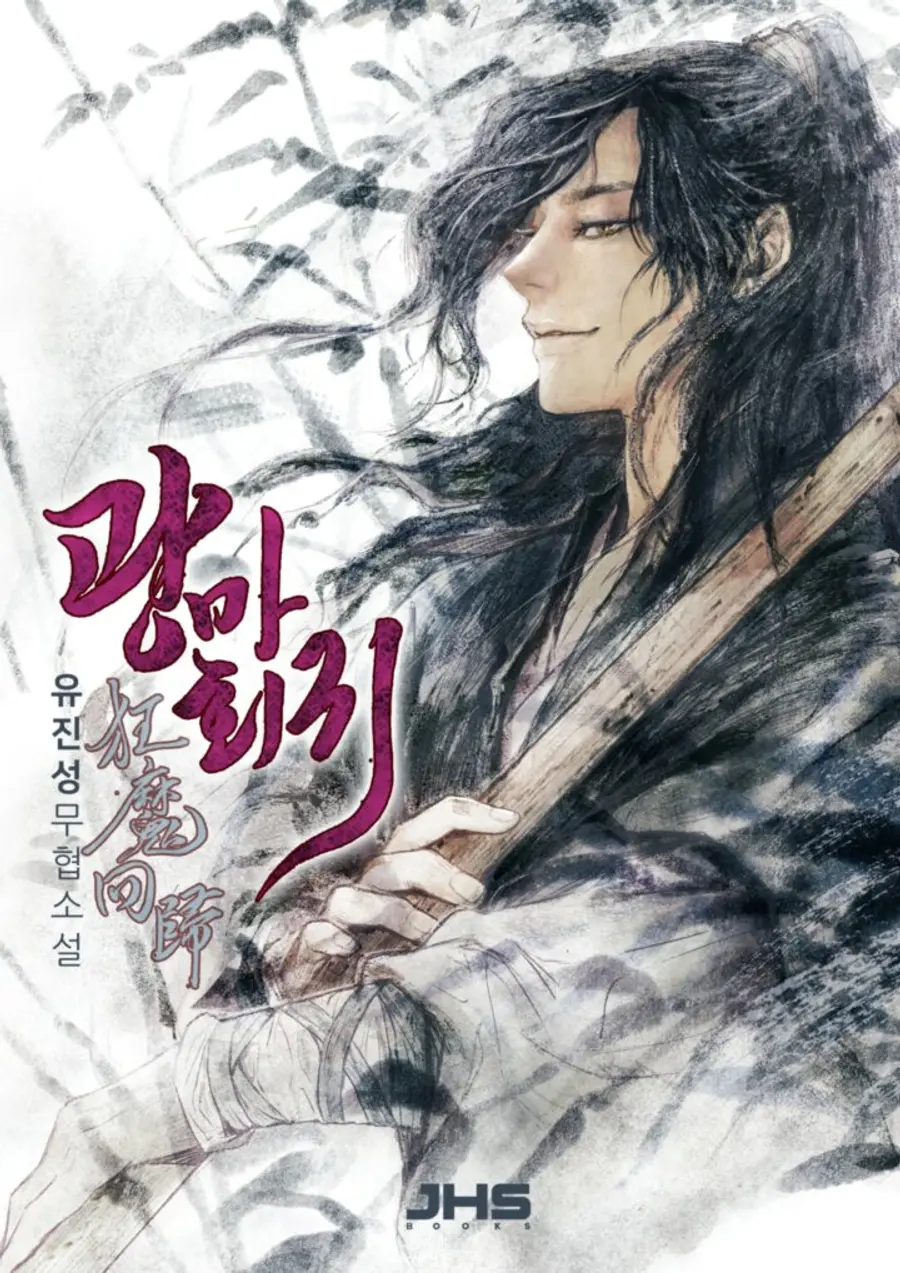
Lee Jaha was already a being feared by the world in his previous life. An unmatched martial prowess and unpredictable madness, along with the countless lives extinguished at the tip of his sword. However, what remained at the end was not victory but a deep emptiness. When he awakens after his return, what he holds is not a blood-stained sword but a bottle of alcohol. The moment the monster, driven by raw desire, gains the body of an ordinary Lee Jaha, the story begins its second life with bittersweet humor.
The Martial World Seen Through the Eyes of a Madman, An Unusual 'Redemption'
'Ordinary life' is not permitted for Lee Jaha. The tavern is the frontline of the martial world where characters from the Jianghu come and go. While he serves as a mere bartender, he reads the momentum of his opponents with the senses from his previous life. Scenes where he gauges the level of masters just by their speech and gait allow readers to view the martial world through the eyes of someone who has 'gone mad once'.
The historical background of this work is also intriguing. It is a chaotic transitional period before the establishment of the Nine Great Sects and prestigious sects. Lee Jaha traverses the time and space before a standardized history is written, digging into the forces and figures that will become legends in the future. Watching how he reshapes the game with the memories of his past life is a key point of interest in this work.
At the center of the conflict is Lee Jaha's inner struggle. He remembers the madness of his previous life and stands at a crossroads where he could become more brutal or change. An interesting point is how he deals with his enemies from his past life. Knowing they will betray him, he keeps them close and watches, forming a strange relationship that offers depth beyond mere revenge.
Strange Alliances with Past Enemies, and the 'Three Disasters'
Around Lee Jaha gather all sorts of characters: the eccentric of the Demon Sect, a problematic genius, and a reclusive master. Most are either past adversaries or fleeting acquaintances. Instead of cutting them down, Lee Jaha leads them in a new direction. Especially with the emergence of the 'Three Disasters', which will shake the world, the story expands beyond personal atonement to a turning point for the world. Where this massive flow converges is the highlight of the work.
As the story progresses into the latter half, Lee Jaha confronts why he became the Mad Demon and what the structural contradictions that dominated that era were. The realization that madness is not merely a personal breakdown but could be the result of the world pushing individuals is profound. The process of problematic figures coming together to form a force that will change the history of future generations showcases a rare long-term narrative design in the martial arts genre.
Unique Characters Born from 'Madness' and 'Power'
The strength of 'Return of the Mad Demon' lies in twisting the common theme of reincarnation through the character of a 'madman'. Lee Jaha is not a cold strategist. He is swayed by emotions, bursts into anger, and engages in absurd actions. However, paradoxically, that impulsiveness becomes the driving force that moves the world. Author Yoo Jin-sung's unique stream of consciousness technique lends credibility to this character. When seemingly disjointed monologues accumulate and culminate in a grand narrative flow, readers are left in awe of the author's meticulous design.
The world-building is also ambitious. This work deals with the origins of settings that will later become 'clichés' in martial arts. Before the settings like the Nine Great Sects and the Great War of the Righteous and Demonic Sects solidify, it depicts the process where someone's choices and coincidences overlap to become history. Readers familiar with the martial arts genre will find great pleasure in these variations.
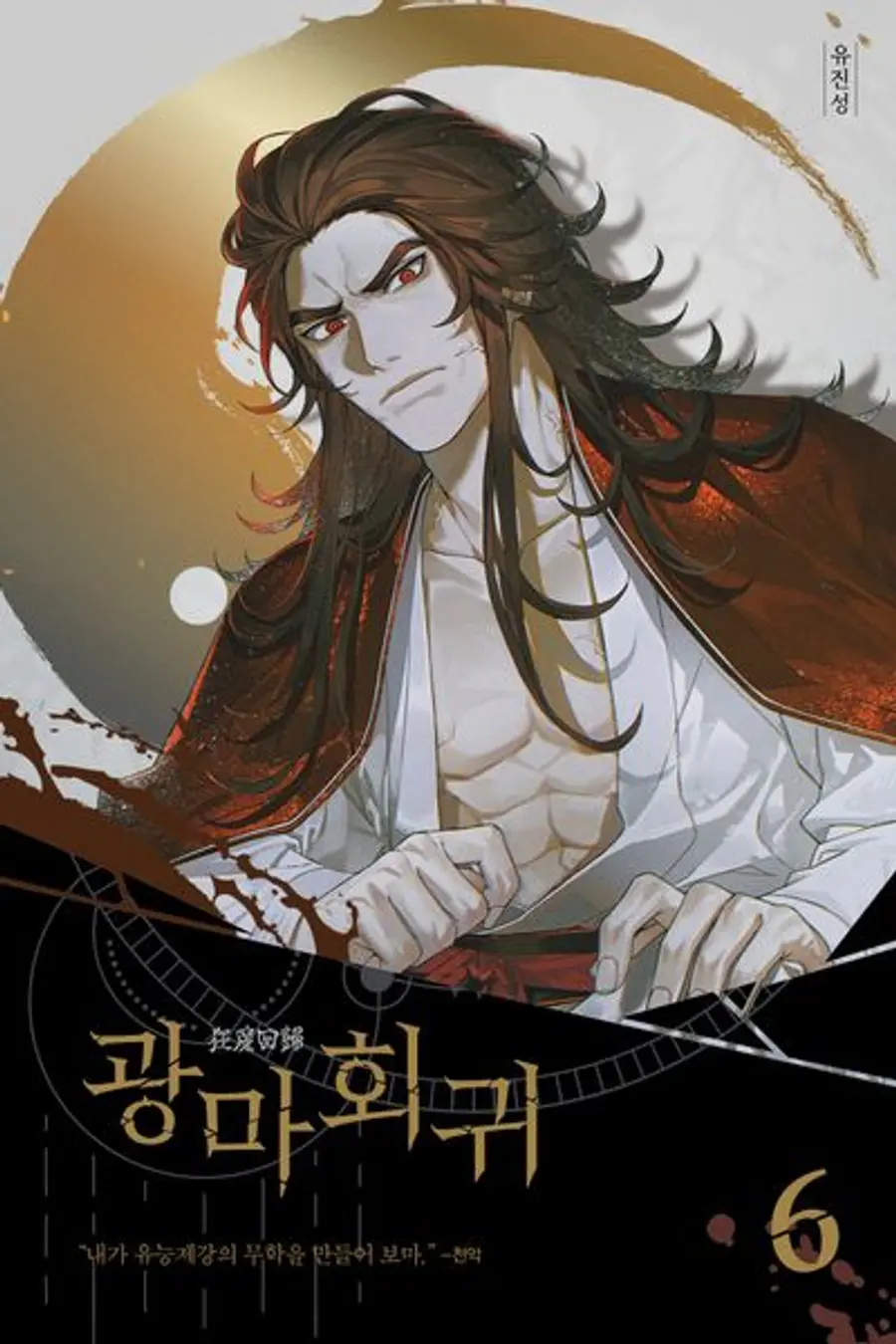
The battle descriptions emphasize momentum, psychological warfare, and context rather than quantified rankings. The battles unfold along the lines of emotion and narrative rather than technical explanations, enhancing immersion. However, due to the vast amount of content, the narratives of supporting characters in the latter half become somewhat faint, and the entry barrier may be somewhat unfriendly to newcomers to the martial arts genre, which is a point of regret.
Nevertheless, the reason 'Return of the Mad Demon' has garnered 50 million views and is beloved lies in the human charm of its characters. The process of individuals with their own stories and desires laughing, fighting, and reconciling beside the Mad Demon is a human drama cloaked in the guise of martial arts. The journey of a person who has gone mad once standing among people again offers profound comfort to all who have given up on their dreams.
For those weary of relationships and burdened by the world, the 'mad humor' of this work provides an unexpected sense of liberation. If you wish to experience the sharp insights and deep emotions hidden behind the laughter, 'Return of the Mad Demon' will be a choice you will never regret.