

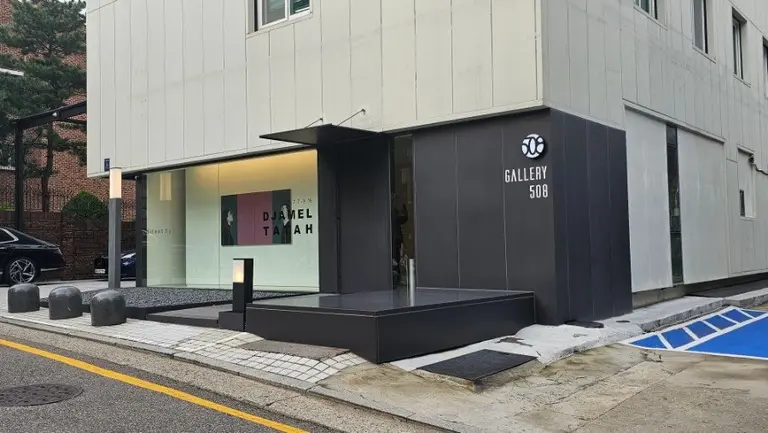
[KAVE=Lee Tae-rim Reporter] Amidst significant economic news such as high exchange rates, a much slower and more delicate change continues somewhere in the alleys of Cheongdam-dong, Gangnam, Seoul. Behind the glamorous signs of large museums and mega galleries, a small space in the city can change a city's 'art sensibility'. 'Gallery 508', located halfway up the hillside of a residential area in Cheongdam-dong, is one such place. Without competing on scale, it is a gallery that builds a personality sufficient to explain to overseas visitors through its space, exhibitions, and artist composition.
Gallery 508 opened in February 2020. The opening coincided with just before the COVID-19 pandemic swept the globe. The fact that it launched during a time when museums and galleries were closing and international art fairs were being cancelled is quite a challenging start. This space is housed in a building designed by Korea's representative architect, Seung Hyo-sang. Located a block back from the bustling shopping street of Cheongdam-dong, it exudes an atmosphere akin to a 'small museum' that delicately adjusts the internal flow, light, and wall height instead of merely showcasing its exterior. Gallery 508 itself has stated its goal to "introduce various artistic creations and lower the threshold for art collection".
Cheongdam-dong is better known to overseas readers as a shopping street filled with luxury brand stores. However, this neighbourhood has functioned as a 'gallery street' in Korea for a long time. It is a unique area where large commercial galleries, experimental new spaces, fashion houses, and art spaces are mixed. Gallery 508 makes good use of the local geography. Foreign visitors can enjoy the glamorous shopping in Gangnam, and just a few steps away, they encounter international contemporary art in a small white cube. It can be seen as a 'small gateway' that naturally turns the tourist route and daily route into art.
It is interesting to see that Gallery 508 defines itself as an 'avenue for international contemporary art'. This gallery declares that it will deal with masters who have adorned Western art history, artists who pioneered 20th-century contemporary art, and young artists who will write future art history together. By mentioning the case of Paul Durand-Ruel, the art dealer who introduced Impressionism to the world, it also hints at continuing the gallery's traditional role as a 'bridge connecting artists and the public' in a 21st-century version.
This declaration is confirmed by the exhibition history, showing that it is not just empty rhetoric. Gallery 508 planned an exhibition showcasing the 60-year work and unpublished new pieces of Jean Pierre Raynaud, a master of contemporary French art. This exhibition was an opportunity to introduce Raynaud's works, which are primarily personal collections, to Korean audiences, and Gallery 508 emphasized that it was the first gallery based in Korea to curate his major collection.
Not only Raynaud. The list of artists at this gallery includes masters of French sculpture such as Bernar Venet, Spanish abstract sculptor Eduardo Chillida, and Belgian Pol Bury. Alongside them are Korean artists like Bae Joonsung and Park Sinyoung. For visitors from abroad, the structure allows them to follow the familiar lineage of Western contemporary art and naturally transition to the works of Korean artists. Internationality and locality intertwine within the same space.
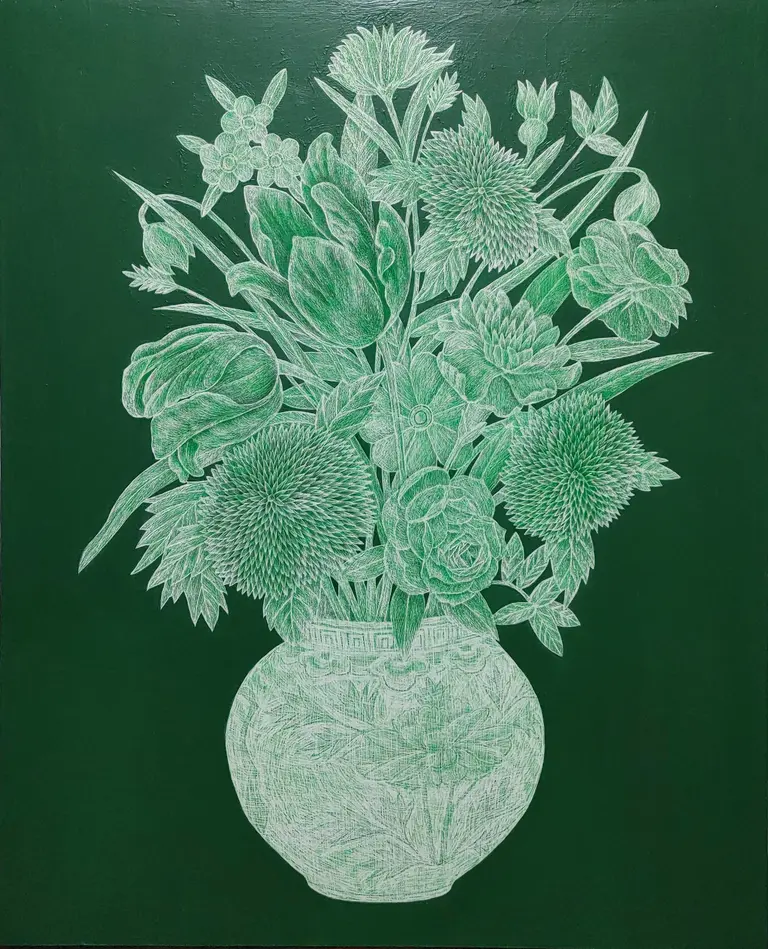
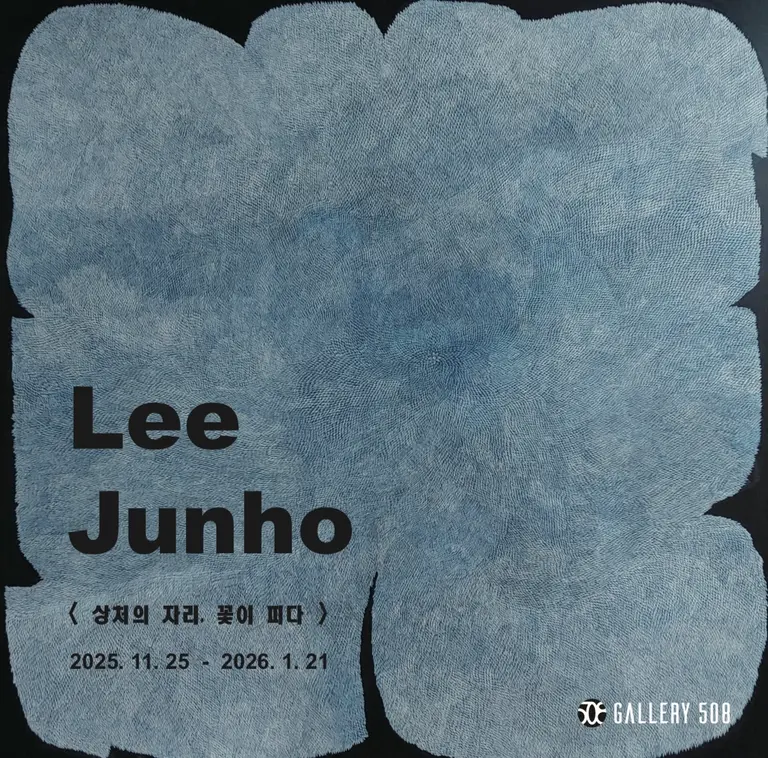
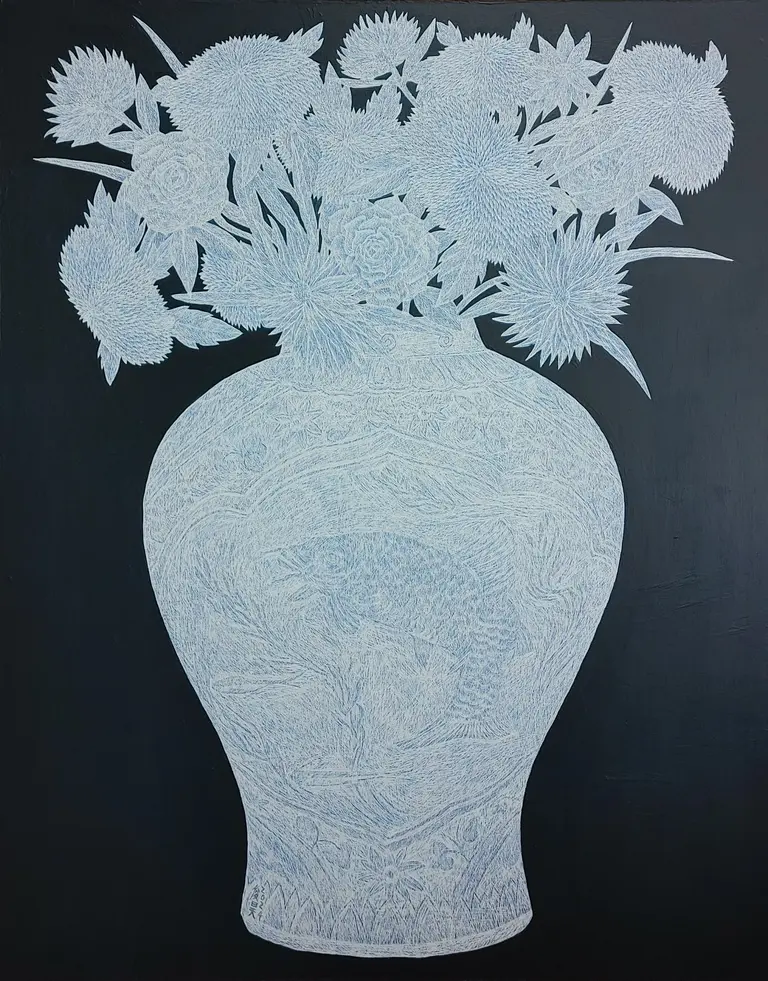
The exhibitions at Gallery 508 do not simply remain as 'retrospectives of imported masters'. For example, the exhibition 'Soulscape', which spotlighted architect Seung Hyo-sang's work, was an opportunity to look into the thought process of an architect through architectural drawings, models, and sketches. Recently, it held a solo exhibition titled 'The Place of Wounds, Flowers Bloom' by artist Lee Joon-ho, presenting the act of scraping the canvas with a knife as a visual language of wounds, healing, and vitality. This curation method does not separate 'masters' from 'contemporary experiments' but rather presents them as a single flow.
From the perspective of overseas readers, one of Gallery 508's strengths is that it compresses the current state of the East Asian art market into a very small scale. Korean contemporary art has emerged as one of the main topics in global art fairs over the past decade. While large galleries in Seoul are already building a global network, the power that ultimately makes the art ecosystem healthy comes from mid-sized commercial galleries. The practical work of introducing international artists' works to the Korean market and connecting Korean artists to overseas collectors is carried out through these galleries. Gallery 508 belongs to this 'mid-hub'.
Another interesting point is that Gallery 508 has made 'expanding the base of collectors' its mission. The young collector base in the Korean art market has rapidly grown in recent years. As wealth accumulates in the IT, finance, and startup industries, the atmosphere of viewing art not merely as a luxury but as a type of asset portfolio has also spread. Gallery 508 declares that it will "lower the threshold for art collection" and seems to be focusing on attracting new viewers and potential collectors, moving away from the previous reliance on a small number of VIP customers.
In fact, this gallery features a website that uses both Korean and English, exhibition guides that are easily accessible to overseas audiences, and relatively friendly texts. In a Seoul where global tourists are increasing, this is a significant point for foreigners who could not cross the threshold of Korean galleries due to language barriers. Visitors who only enjoyed the 'luxury shopping course of Cheongdam-dong' may find themselves experiencing a facet of Korean contemporary art as they follow the linguistic explanations.
The strategy of Gallery 508 is closer to calm relationship building rather than aggressive expansion aimed at short-term results. Gallery 508 describes itself as a place that "builds lasting creative relationships between artists and collectors". The representative and director build long-term conversations with artists, consistently showcase their work, and simultaneously explain the value of the works to collectors from a long-term perspective. The strategy of emphasizing 'sustainable relationships' over one-off star exhibitions acts as a trust asset in an art market characterized by sharp fluctuations.
From the perspective of overseas readers, how should one view a gallery in Korea? The international art market is now showing a pattern where traditional hubs like New York, London, Paris, and Hong Kong are being joined by cities like Seoul, Shanghai, and Taipei as new axes. What is important in this process is not just the scale of transactions or hammer prices, but how each city shows its artistic language and curatorial sensibility to the world. Gallery 508 encapsulates the artistic temperament of the city of Seoul in a small scale by merging 'the stability of master-centric' and 'curiosity about contemporary artists'.
If you walk through the alleys of Cheongdam-dong and see the white walls and quiet lighting through the glass window, along with a few abstract sculptures and paintings hanging on one wall, there is a high possibility that you have encountered Gallery 508. Even without a glamorous sign like a large museum, it is a place where the works and space speak first. The reason to introduce this small gallery to overseas readers is simple. It is not common to find a place that shows how a city's art thinks about the present and how it brings together past masters and future artists in one place so concisely.