

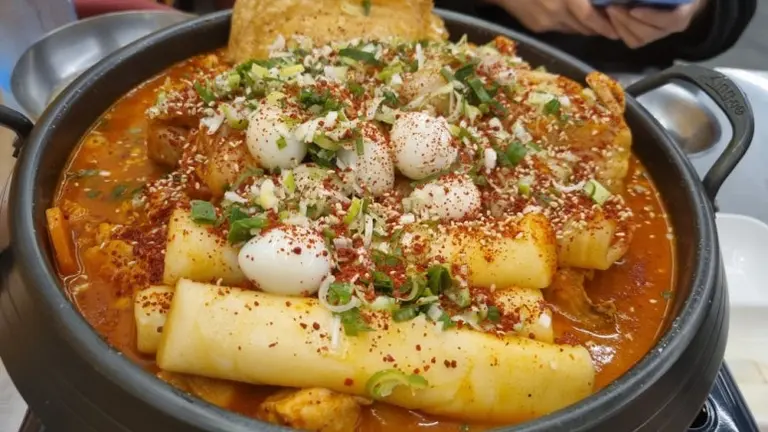
[KAVE=Choi Jae-hyuk Reporter] One of the first menus that Korean travellers notice in restaurants is Dakdoritang. Large pieces of chicken and potatoes bob in the red broth, with the aroma of green onions and chilli pepper wafting through the air. Dipping a spoonful of rice into the broth makes one nod in agreement, saying, 'This is the spicy taste of Korea.' While it may seem unfamiliar to foreigners, Dakdoritang is intertwined with memories of family meals on weekends, outdoor outings, and dinners on rainy days for Koreans. The communal dining culture of sharing a pot, the skillful balance of spicy and sweet flavours, and the satisfying fullness from ample carbohydrates are all contained in this one pot.
The history of Dakdoritang is intertwined with everyday life, language history, and regional food culture. The name 'Dakdoritang' became popular in the mid-20th century, with theories suggesting that 'dori' comes from Japanese or from the Korean verb 'doryeonaeda'. Today, the name 'Dakbokkeumtang' is also widely used in restaurants and recipes, revealing the cooking principle of 'boiling and stir-frying' while adjusting the amount of broth. Regardless of the naming debate, the cooking principle lies in simmering chicken, which is less fatty than beef or pork, in a seasoning sauce until the flavour penetrates to the bone. During the 1960s to 1980s, when flour and rice were scarce, Dakdoritang was a practical one-pot dish that increased volume with root vegetables like potatoes and carrots, seasoned with red pepper powder and soy sauce. As urbanisation progressed and chicken distribution became easier, it quickly spread from home cooking to a popular menu item, becoming synonymous with 'food for many'.
Anchovy and Kelp Broth + Sweetness is Key
The basic structure of Dakdoritang is simple. Chicken, vegetables, seasoning, water, and heat. However, simplicity does not guarantee flavour. The cooking points are divided into chicken preparation, odour removal, seasoning combination, heat control, and consistency management. First, it is common to use cut-up fresh chicken. Some fat from the skin should be removed, but if completely stripped, the flavour diminishes. Soak the pieces in cold water to remove blood, then blanch them in boiling water with green onion roots, whole peppercorns, and ginger for 1-2 minutes to eliminate any odour. Skipping this 'blanching' process can result in murky seasoning or a lingering chicken smell.
The backbone of the seasoning consists of red pepper powder, gochujang (red pepper paste), soy sauce, minced garlic, minced ginger, sugar or corn syrup, pepper, and sesame oil. The ratios vary according to personal preference, but a basic formula to remember is as follows: 3 parts red pepper powder, 1 part gochujang, 2 parts soy sauce, 1 part sugar, 2 parts garlic, 0.5 parts ginger, with pepper and sesame oil added at the end. Ingredients that contribute to the 'subtle aftertaste' depth include broth made from anchovies and kelp, grated apple or pear, cooking wine, cheongju (clear rice wine), onion juice, and a pinch of store-bought chicken stock. If the sweetness is excessive, it quickly becomes cloying, so the sweetness should be adjusted to 'just brush the tip of the tongue'.
The vegetables typically used are potatoes, carrots, onions, and green onions. Potatoes add a subtle thickness to the broth with their starch, while carrots enhance sweetness and aroma. Onions form the base of the broth's sweetness and umami, and green onions provide the finishing aroma. Adding rice cakes, konjac, mushrooms (shiitake, oyster), zucchini, and cabbage diversifies the texture. In particular, cabbage helps to soften the spiciness of the broth while providing a delightful crunch.
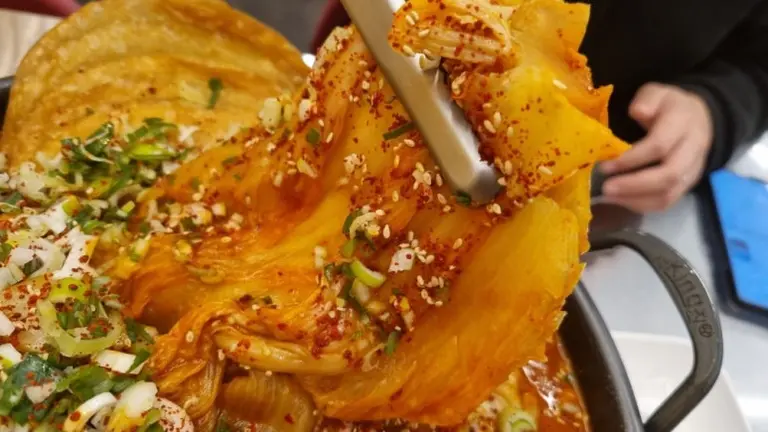
However, adding 'muk-eun-ji' (aged kimchi) changes the depth of flavour. The more well-fermented Korean kimchi becomes, the deeper the flavour it adds, and the taste of Dakdoritang with muk-eun-ji is beyond imagination. Koreans can eat three bowls of rice with muk-eun-ji Dakdoritang.
The cooking sequence is straightforward. First, marinate the blanched chicken and some of the seasoning as if coating the surface. Layer the chicken in a steamer or thick pot, add 2/3 of the seasoning, and stir on low heat for about 5 minutes to allow the seasoning to adhere to the chicken's surface. This step is crucial to ensure that the broth does not separate later and that the seasoning penetrates the meat. Second, pour in the broth (or water) just enough to cover and bring to a boil, skimming off the yellow oil foam that rises. At this point, using high heat to 'raise it up' allows the surface proteins of the chicken to contract, trapping the juices inside. Third, once the foam is skimmed off, reduce to medium heat, add the potatoes and carrots, and simmer for 15-20 minutes. Cover the pot halfway to control moisture loss. Fourth, add the onions, rice cakes, and mushrooms, and adjust the final seasoning with the remaining 1/3 of the seasoning and soy sauce. Fifth, reduce the broth until it thickens just enough to break apart at the bottom. If it becomes too thick, it will quickly become salty, and if too thin, it won't cling to the rice. Finally, add the green onions and Cheongyang peppers, and raise the aroma on low heat for 1-2 minutes to finish.
Variations of Dakdoritang unfold based on regional and household preferences. If you like spiciness, you can mix in a spoonful of homemade 'chili oil' instead of Cheongyang peppers, dried red peppers, or capsaicin oil. Chili oil is made by slowly infusing green onions, garlic, and dried peppers in cooking oil over low heat to transfer the spicy aroma into the oil. If you prefer sweetness, increase the ratio of onions and mix in a small amount of grated pear or apple. For depth, secretly mix in about 0.3 tablespoons of doenjang (fermented soybean paste), but be careful not to exceed the ratio, as it can overpower the flavour. If you desire a seafood flavour, use dried pollack broth instead of anchovies and kelp, and add a handful of dried shrimp to enhance the umami.
Dissecting the taste of Dakdoritang reveals four layers that come in succession. First, there is the direct spiciness from the red pepper powder. It stimulates the tip of the tongue, but is soon followed by the sweetness and pungency from garlic, ginger, and onion. Next, the structure created by the saltiness of the soy sauce emerges. The saltiness meets the sweetness, correcting it into umami, while the richness created by anchovies, kelp, or chicken bone collagen envelops the tongue. The flavour of the chicken itself cannot be ignored. After blanching to remove any odour, the remaining fat's nuttiness and the meat's tenderness form the background for the spicy seasoning. Finally, there is the texture layer from the vegetables. The starchy potatoes crumble, the carrots crunch, the transparent sweetness of the onions, and the refreshing volatile aroma of the green onions alternate, making it impossible to stop spooning.
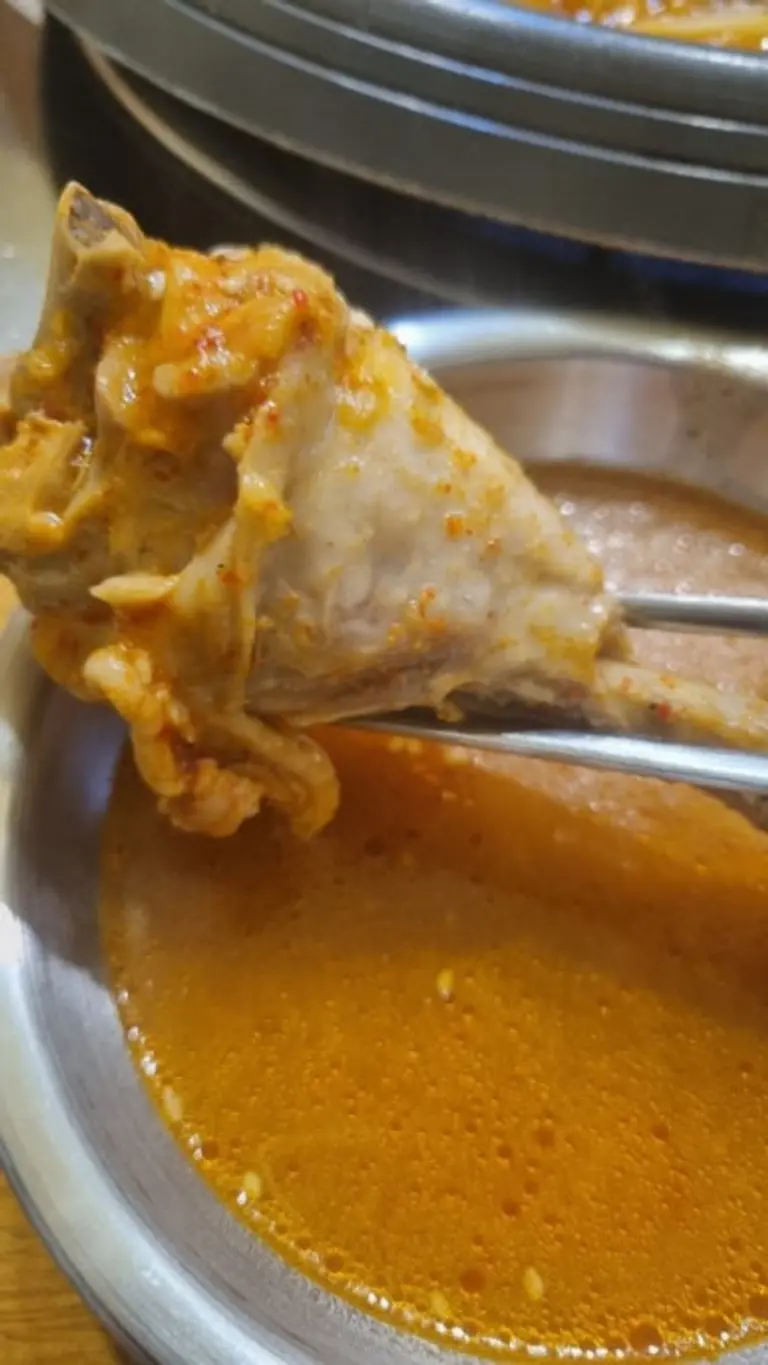
The taste of Dakdoritang cannot be defined by 'spiciness' alone. The first sensation that touches the tip of the tongue is undoubtedly the fiery taste created by red pepper powder and gochujang. However, that fire is soon gently enveloped by the sweetness of garlic, onion, and ginger, along with the saltiness of soy sauce. The heat of the fire and the warmth of sweetness collide, creating a harmonious tension on the tongue. Next, the tender chicken meat releases its umami. The rich juices near the bones mix with the spicy seasoning, leaving a strangely deep nuttiness. In particular, the nutty aroma of the fat that seeps from the areas close to the skin rounds out the entire broth.
The broth may initially appear thin, but as it boils, it gains viscosity and transforms into a consistency that breaks apart at the bottom. This consistency is the lifeblood of Dakdoritang. The starch from the potatoes mixes with the spicy seasoning to create a smooth and heavy texture, and every time the spoon touches the chicken meat, the red broth gently flows down. Each spoonful contains the heat of the pepper, the protein of the chicken, the warmth of the potato, and the fragrance of the green onion.
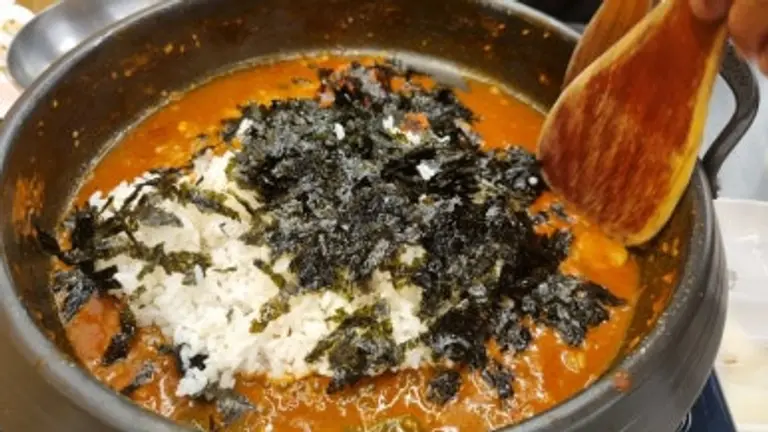
In the latter part of the taste, what remains is not spiciness but 'warmth'. Initially, the mouth tingles, but soon the tension eases with sweat, and a sense of comfort envelops the insides. At this moment, the spiciness is closer to comfort than pain. It is spicy but not irritating, salty but perfectly balanced when placed on rice. The true value of Dakdoritang lies in its compatibility with rice. Dipping a spoonful of rice into the broth and adding a piece of potato and chicken creates a sequence where spiciness turns into sweetness, sweetness into umami, and umami returns to lingering spiciness.
That lingering sensation lasts a long time. The lips, soaked in spicy broth, warm up, and the aroma of pepper remains on the tip of the tongue. The tenderness of the chicken and the warmth of the potato soothe that fire, maintaining the rhythm until the last bite. The taste of Dakdoritang is ultimately 'the aesthetics of harmony'. It is a dish where fire and sweetness, saltiness and tenderness, stimulation and comfort coexist, making it feel like not just a dish but a piece of music.
Dakdoritang is an introduction to Korean-style spiciness and a gateway to experiencing the sense of community where 'everyone gathers their spoons in one pot'. The hot steam, red broth, tender chicken meat, and the warmth of potatoes meet layer upon layer in a single spoonful. If you are afraid of spiciness, you can replace half of the red pepper powder with paprika powder, which maintains the colour while reducing the heat. Conversely, if you love heat, you can add Cheongyang pepper seeds directly and finish with a pinch of Sichuan pepper powder for an extra kick.
The charm of Dakdoritang ultimately lies in its 'balance'. The heat of the pepper and the sweetness of sugar and onion, the saltiness of soy sauce and the nuttiness of chicken, and the viscosity of gelatin extracted from bones and the starch of potatoes support each other. The moment that balance is achieved, the rice naturally soaks in the broth, and the spoon never wants to leave the table. If you had to choose just one Korean spicy one-pot dish, Dakdoritang always ranks high. The reason is simple. It requires little effort but shows care, it is spicy yet tender, and above all, it tastes best when shared among many. A dish that rises like hot steam from the everyday life and emotions of Korea, that is Dakdoritang.