

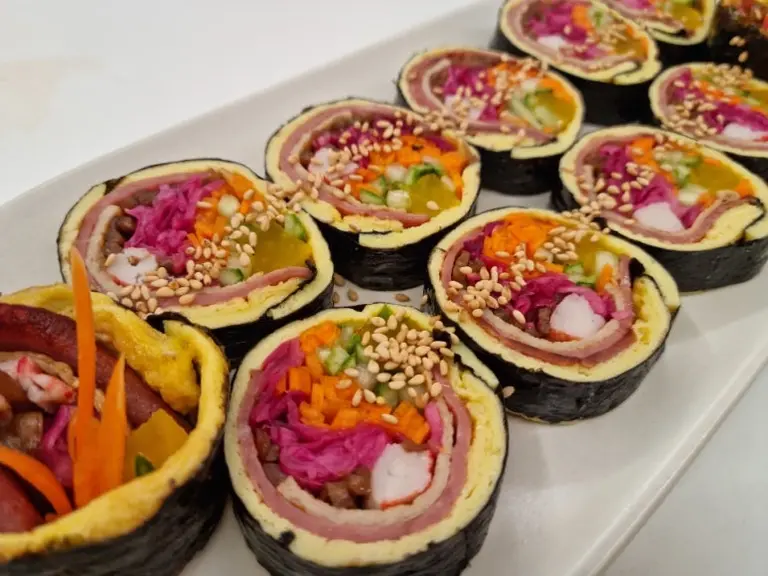
[Magazine Kave=Itaerim Reporter] Gimbap, a Korean-style dish, is not just a simple food, but a summary of 'Korean food culture' in one line. Various ingredients such as rice, vegetables, eggs, and meat harmoniously come together in a sheet of seaweed to be completed in a bite-sized form. It can be easily consumed without any special tools, making it a food that exists in the daily lives of Koreans, whether at picnics, travels, or late-night work.
The reason gimbap frequently appears in major K-content, including 'K-Pop Demon Hunters', is also here. Gimbap is a symbolic medium that most effectively shows the daily life of Koreans and is a practical food that supports the busy lives of modern people.
The Origin and Unique Evolution of Gimbap
There are various theories about the origin of gimbap, but the form of 'rice wrapped in seaweed' shows similarities to Japanese makizushi. However, Korean gimbap has undergone a unique development process. Unlike the Japanese style, which is seasoned with vinegar and sugar, Korean gimbap maximizes its savory flavor using sesame oil and salt. The filling ingredients are mainly stir-fried meat, vegetables, and pickled radish rather than fish.
With rapid urbanization in the 1970s and 80s, gimbap established itself as a meal with 'mobility'. Once synonymous with home-cooked lunch boxes, gimbap has evolved into a national food that can be enjoyed anywhere, thanks to specialized snack shops, convenience stores, and premium brands. Recently, scenes of protagonists eating gimbap in K-dramas and movies have been broadcast worldwide, emerging as a powerful cultural content that conveys the emotions of Korea.
Delicate Cooking Methods Hidden in Simplicity
The process of making gimbap requires attention to detail while being faithful to the basics. The key is the state of the rice. The rice should be fluffy yet sticky, seasoned with salt and sesame oil. Care must be taken to spread the rice thinly and evenly on the seaweed without crushing the grains, which is a skill.
Traditional ingredients include egg sheets, pickled radish, spinach, carrots, and ham. Each ingredient is cut long and straight for cooking, and they are arranged considering the harmony of color and texture. The process of rolling with a bamboo mat under appropriate pressure is a crucial step that determines the shape and texture of the gimbap.
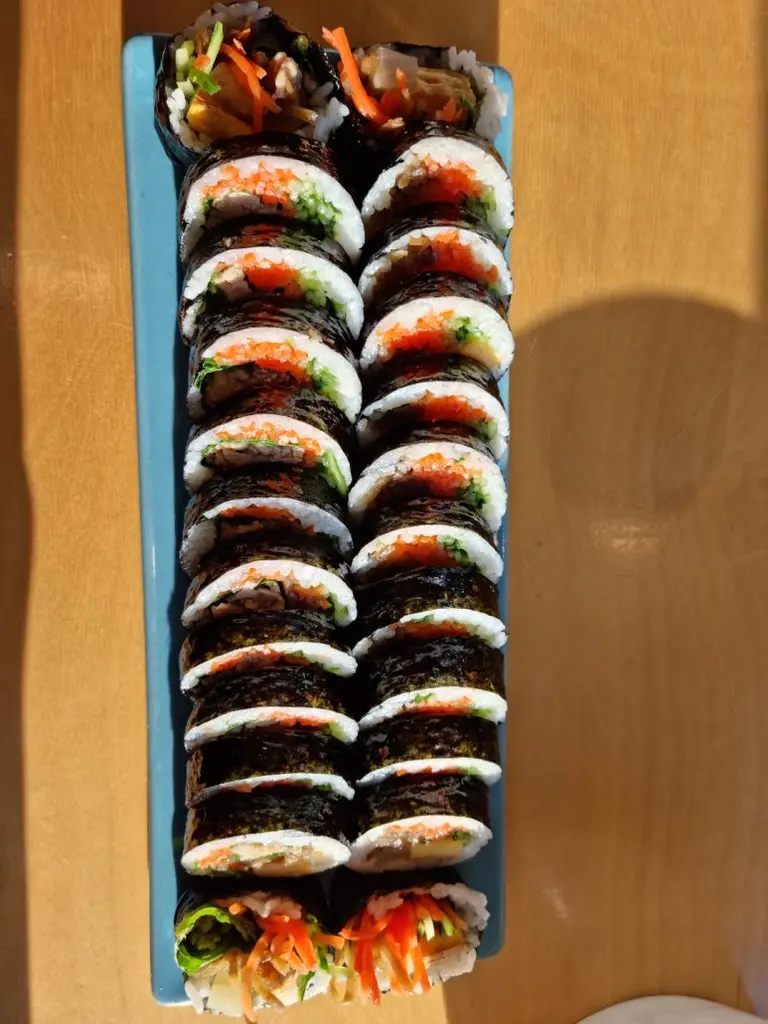
The completed gimbap is brushed with sesame oil and sprinkled with sesame seeds to finish. The cross-section of the gimbap, cut into bite sizes of about 1.5cm, shows a harmony of five colors, stimulating visual appetite.
Infinite Expandability, Variations of Gimbap
The greatest competitiveness of gimbap lies in its infinite variation possibilities depending on the ingredients. If basic gimbap emphasizes nutritional balance, tuna mayo gimbap highlights richness and softness, making it popular among foreigners. The flavor of mayonnaise captures the Western palate.
Bulgogi gimbap incorporates Korea's representative meat dish, making it a hearty meal. The sweet and salty seasoning blends with the rice to create a deep flavor.
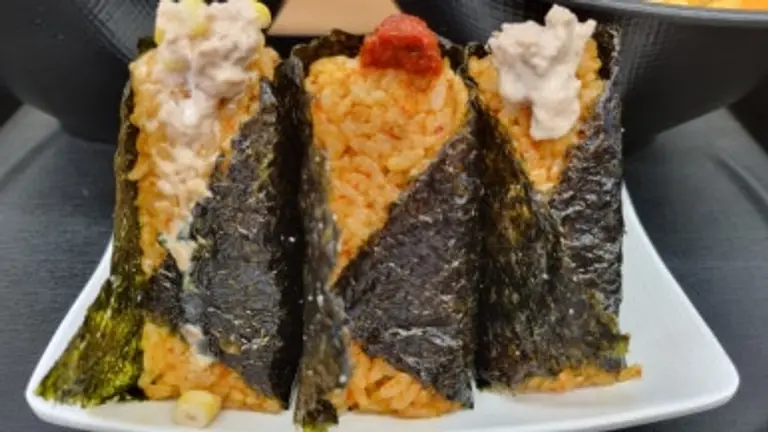
Recently, in line with the trend of health consciousness, vegan gimbap and keto gimbap are also gaining attention. By reducing the amount of rice and increasing the proportion of vegetables, or utilizing various toppings such as cheese, pork cutlet, and spicy fish cakes, they target the segmented tastes of consumers.
Layers of Taste: Harmony of Richness and Texture
The taste of gimbap begins with the olfactory stimulation from the seaweed and sesame oil. The texture of the rice and the diverse flavors of the filling ingredients create layers. The crunchiness and acidity of the pickled radish are key elements that balance the overall flavor.
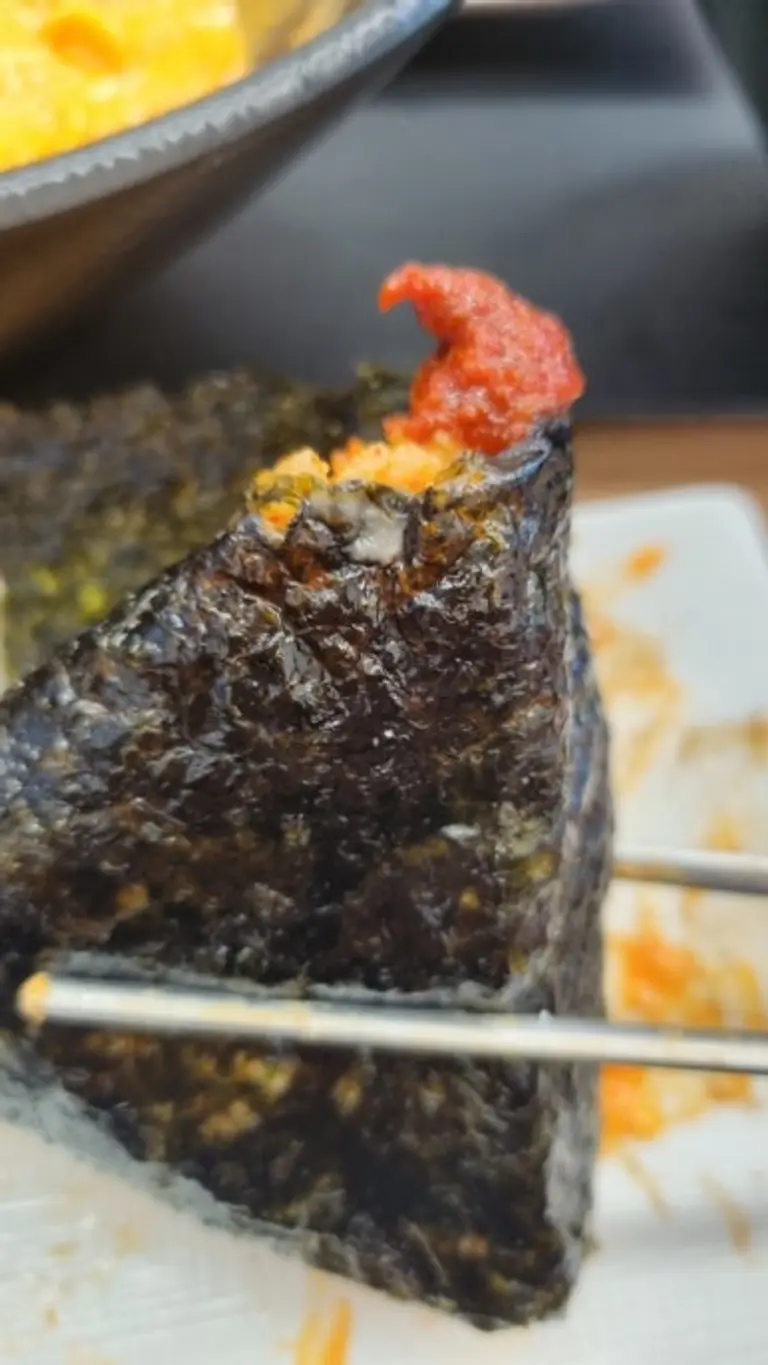
The taste of gimbap can also change depending on the temperature, and it pairs excellently with side dishes like ramen or tteokbokki. The harmony of plain gimbap and spicy broth is considered the essence of Korean snack culture.
K-Food That the World Is Watching, Gimbap
In the global market, gimbap is recognized as a unique 'Gimbap' rather than 'Korean sushi'. As the perception of it being a balanced healthy food with carbohydrates, proteins, and vegetables spreads, it is gaining popularity as a well-being food. The fact that it uses familiar ingredients while taking on an exotic form has lowered the entry barriers for foreigners.
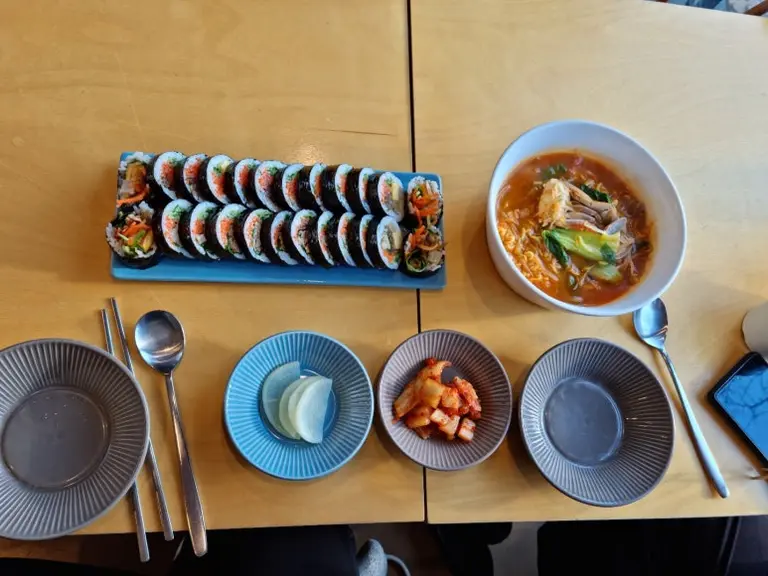
Thanks to the popularity of K-content such as 'K-Pop Demon Hunters', gimbap is now on the must-experience list when visiting Korea. Gimbap, which contains ingredients from the sea and land in one line, has now become a representative cultural icon that goes beyond being just a simple food, showcasing the taste and style of Korea to the world.