[Magazine Kave=Choi Jae-hyuk Reporter] On the way home in front of a paper mill, paper dust swirls. Process manager Yoo Man-soo (Lee Byung-hun) has led a stable life for 25 years. A house nearly paid off, a wife, Miri (Son Ye-jin), two children, and even a pet dog. His world, which he proudly believed he had 'achieved everything', collapses in an instant with the notification of restructuring from the HR team. The foundation of his seemingly perfect life has completely vanished.
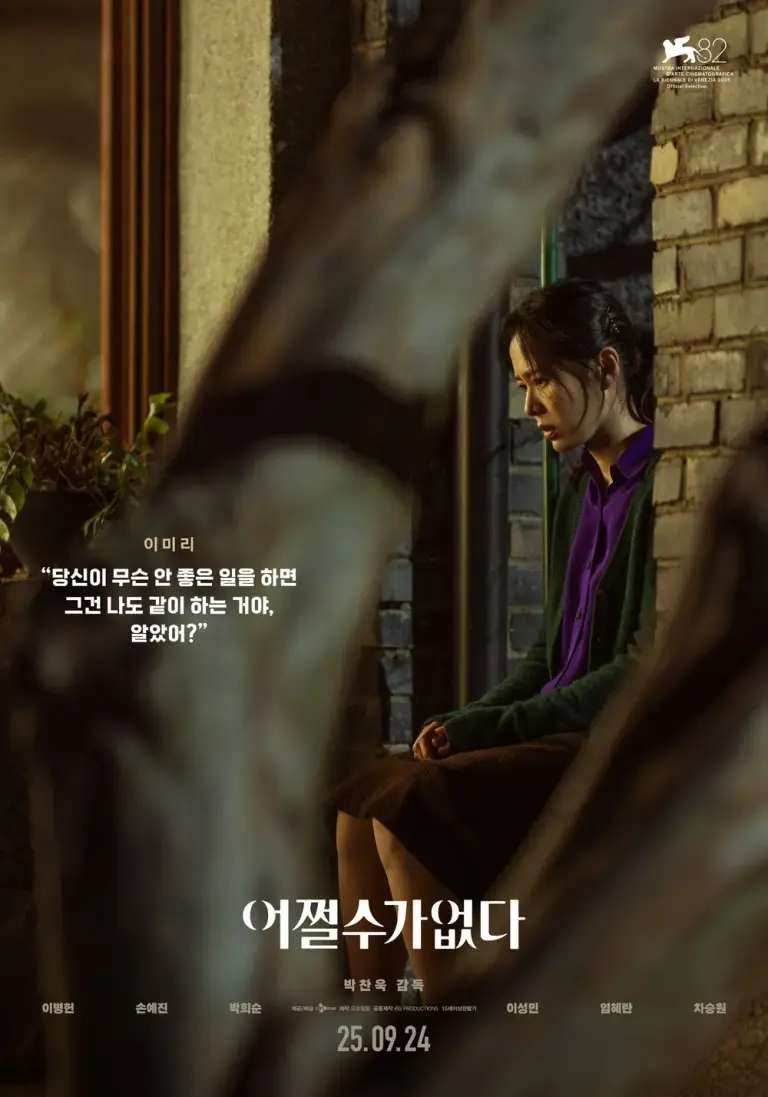
In the early days of unemployment, Man-soo remains optimistic, trusting in his experience. However, the reality of the re-employment market is harsh. His impressive 25 years of experience is dismissed by HR personnel as 'an inflexible legacy of the past'. When young applicants showcase their fluent foreign language skills in group interviews, Man-soo, who struggles even with operating the presentation remote, crumbles miserably. It is the moment when his pride as a paper mill employee is torn apart.
Then, news comes that a paper company is recruiting for a single factory manager position. This is not just a job change but a last chance for a 'life reset'. Man-soo analyses the job posting and identifies the veteran competitors he will face from the same industry. They are Geum Beom-mo (Lee Sung-min), who has handled paper all his life, Go Si-jo (Cha Seung-won), currently a shoe store manager, and Choi Seon-chul (Park Hee-soon), who still holds influence on the field.
Shared Suffering Turns to Malice
As he observes his competitors, Man-soo is engulfed by a strange emotion. They are also middle-aged breadwinners who have been pushed out of society, just like him. Beom-mo, who types his resume on an old typewriter, and his family living with future anxieties overlap with Man-soo's future. In Si-jo's shoe store, past pride and present misery coexist, while Seon-chul's story reveals the illusion of 'company familyism'.
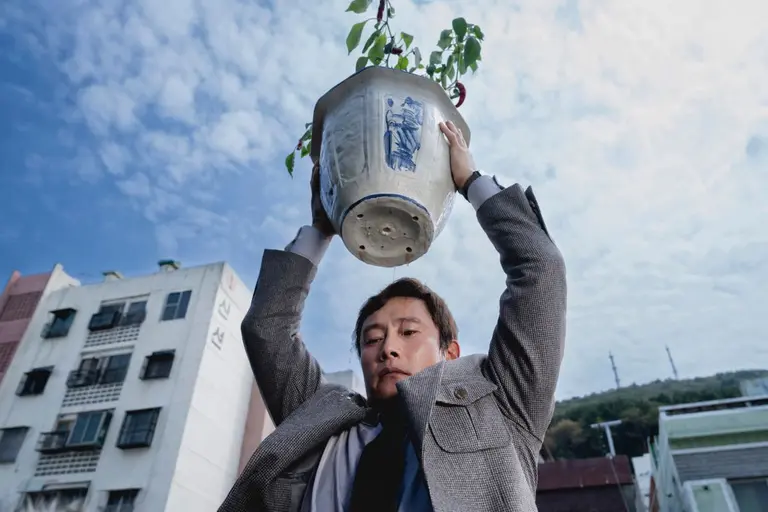
At this point, Man-soo's anguish reaches a twisted conclusion. "If there’s only one position anyway, it has to be me. There’s no way." What began as a complaint gradually becomes self-hypnosis, numbing his morality. Man-soo plans deadly sabotage to ensure his competitors cannot participate in the interviews. Accidents disguised as coincidences and threats that cross the line follow, and the film transitions into a full-fledged black comedy thriller.
The Birth of the Most Clumsy Criminal
Man-soo's criminal acts are more ridiculous and clumsy than meticulous. While spying on Beom-mo's house, he is swayed by their warmth, and he shares the sorrow of unemployment with Si-jo, empathising with him. He rationalises that he has no choice for the happiness of his family, but his gaze gradually becomes hollow. His wife, Miri, is the first to notice this change in her husband. When Miri seeks realistic livelihood solutions, Man-soo stubbornly insists, "I only know about paper." The conflict between this couple sharply probes the economic realities posed by the film.
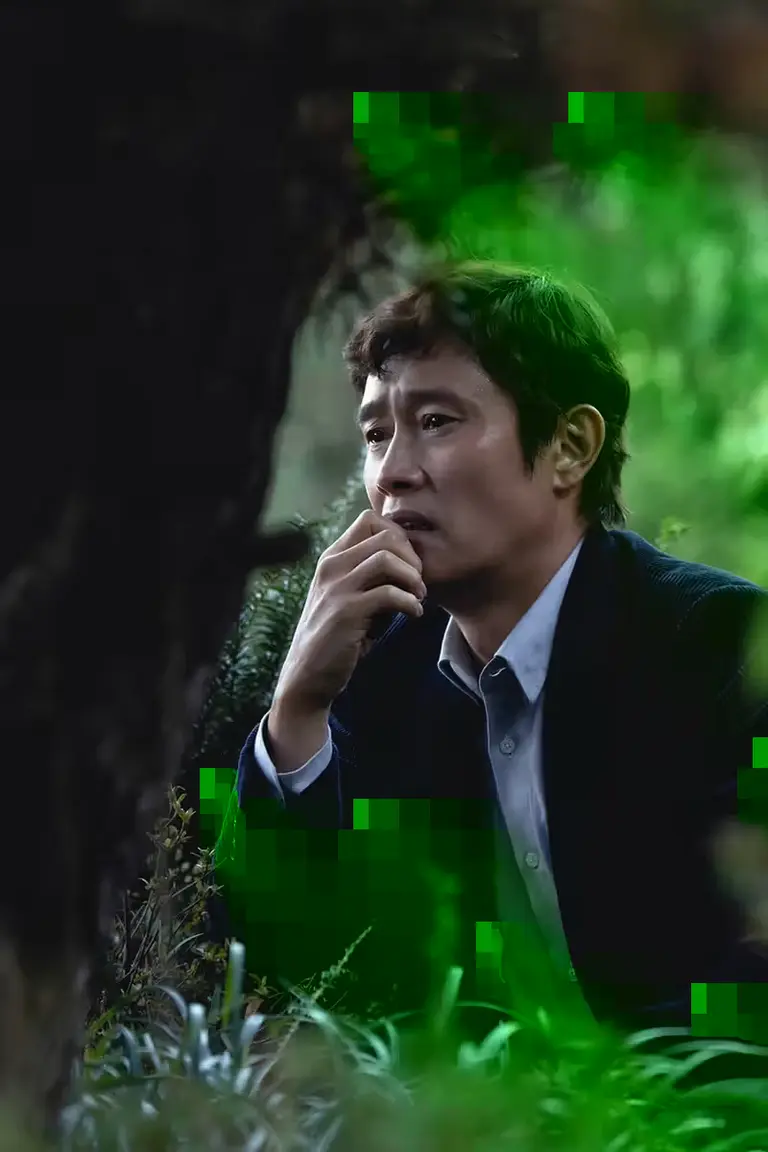
As time passes, fear and secrets accumulate around Man-soo instead of understanding and comfort. What began as a small adjustment spirals into an uncontrollable catastrophe, and Man-soo continues to repeat, "There was no way." The film relentlessly tracks the end of the war he has waged. By the conclusion, it is up to the audience to confirm the ambiguous meaning of the title and its uncomfortable resonance.
Park Chan-wook Captures a New Kind of Violence, 'The Termination Notice'
Director Park Chan-wook shines a light on the violence inflicted by the system rather than physical bodily harm in this work. Restructuring notices, the HR personnel's formal condolences, overdue notices, and other everyday objects drive the protagonist to the brink more sharply than any weapon. He coldly captures how the workplace system destroys individuals, layering it with the hues of black comedy.
If the original novel 'The Ax' dealt with industrial restructuring in the United States, the film perfectly transplants this to the Korean reality. The entrenched employment insecurity and the crisis of the middle-aged generation after the IMF are embedded throughout the screen. The title 'There’s No Way' functions as a device that twists the language used in Korean society as a means of resignation and avoidance.
Lee Byung-hun, through the role of Yoo Man-soo, completes the 'ordinary monster' that blurs the line between villain and victim. His subtle facial expressions, balancing between humiliation and survival instinct, evoke both condemnation and sympathy from the audience. Son Ye-jin's portrayal of Miri is a character who does not indulge in sentimentality but rather faces reality with cold clarity, adding persuasiveness to the narrative.
Four Middle-aged Men, One Tragic Fate
Geum Beom-mo (Lee Sung-min), Go Si-jo (Cha Seung-won), and Choi Seon-chul (Park Hee-soon) are another self of Man-soo and his fearful future. Every time Man-soo attempts to eliminate them, the audience confronts a bitter self-confession that goes beyond the simple tension of a thriller. Director Park Chan-wook's unique mise-en-scène remains intact. Symbolic objects such as bonsai, representing obsessive control, and a withering pear tree effectively visualise the characters' inner selves.
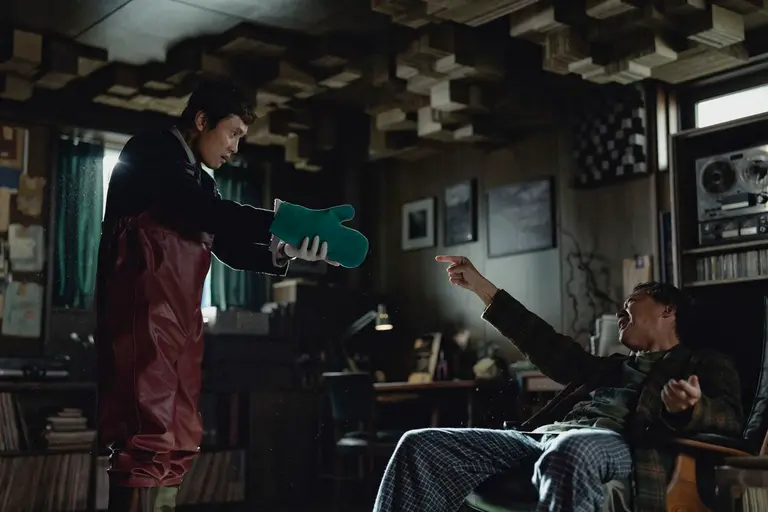
The film has already been recognised for its artistic merit overseas, being invited to the competition section of the 2025 Venice Film Festival and winning the Audience Award at the Toronto International Film Festival. Its sharp satire of the modern labour environment demonstrates a global resonance. Under the vast system of neoliberalism, it serves as a chilling warning that we could all become potential 'Man-soos'.
A Story That Could Be Your Future
'There’s No Way' serves as an uncomfortable mirror for office workers who have experienced the fear of restructuring. While laughing at Man-soo's clumsy crimes, one may find themselves unwittingly assimilating into his logic. Director Park Chan-wook sheds his previous shocking style, dissecting social structures and human psychology through the flavours of dialogue and situational irony.
I recommend this film to audiences who want to see a glimpse of the harsh realities of Korean society on screen. Instead of providing answers, the film leaves a heavy question: "Did we really have no choice?" On the way out of the theatre, the audience will find themselves asking this question. This is the essence of the cinematic experience that master Park Chan-wook offers.